
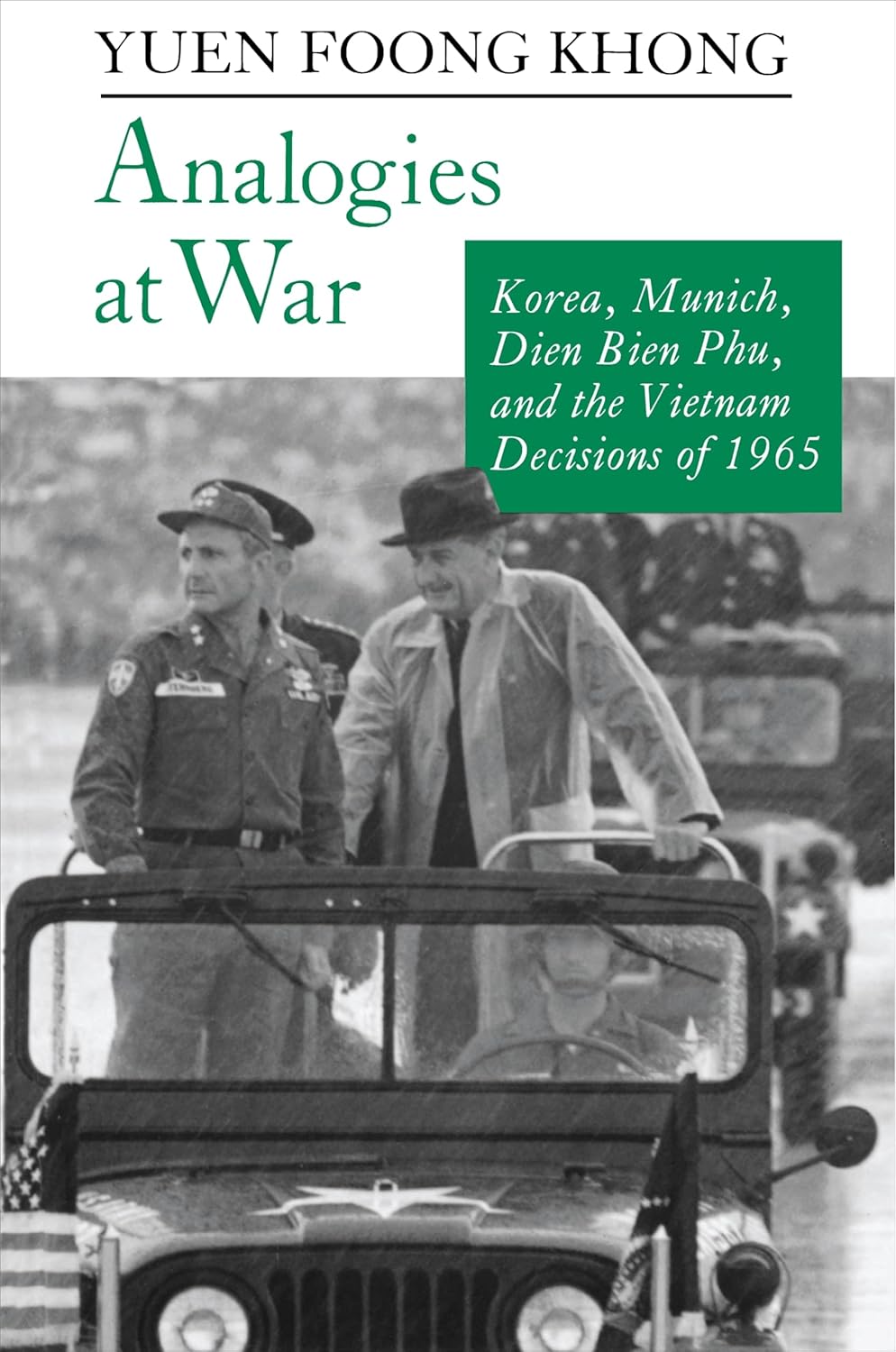
Analogies at War: Korea, Munich, Dien Bien Phu, and the Vietnam Decisions of 1965 Paperback – April 15, 1992
Product details
| Management number | 226793282 | Release Date | 2026/05/09 | List Price | US$22.04 | Model Number | 226793282 | ||
|---|---|---|---|---|---|---|---|---|---|
| Category | |||||||||
From World War I to Operation Desert Storm, American policymakers have repeatedly invoked the "lessons of history" as they contemplated taking their nation to war. Do these historical analogies actually shape policy, or are they primarily tools of political justification? Yuen Foong Khong argues that leaders use analogies not merely to justify policies but also to perform specific cognitive and information-processing tasks essential to political decision-making. Khong identifies what these tasks are and shows how they can be used to explain the U.S. decision to intervene in Vietnam. Relying on interviews with senior officials and on recently declassified documents, the author demonstrates with a precision not attained by previous studies that the three most important analogies of the Vietnam era--Korea, Munich, and Dien Bien Phu--can account for America's Vietnam choices. A special contribution is the author's use of cognitive social psychology to support his argument about how humans analogize and to explain why policymakers often use analogies poorly. Read more
| ISBN10 | 0691025355 |
|---|---|
| ISBN13 | 978-0691025353 |
| Edition | 1st |
| Language | English |
| Publisher | Princeton University Press |
| Dimensions | 6 x 0.76 x 9.1 inches |
| Item Weight | 1 pounds |
| Print length | 304 pages |
| Publication date | April 15, 1992 |
Bestseller ranking
Southeast Asia




Customers who viewed this product also viewed
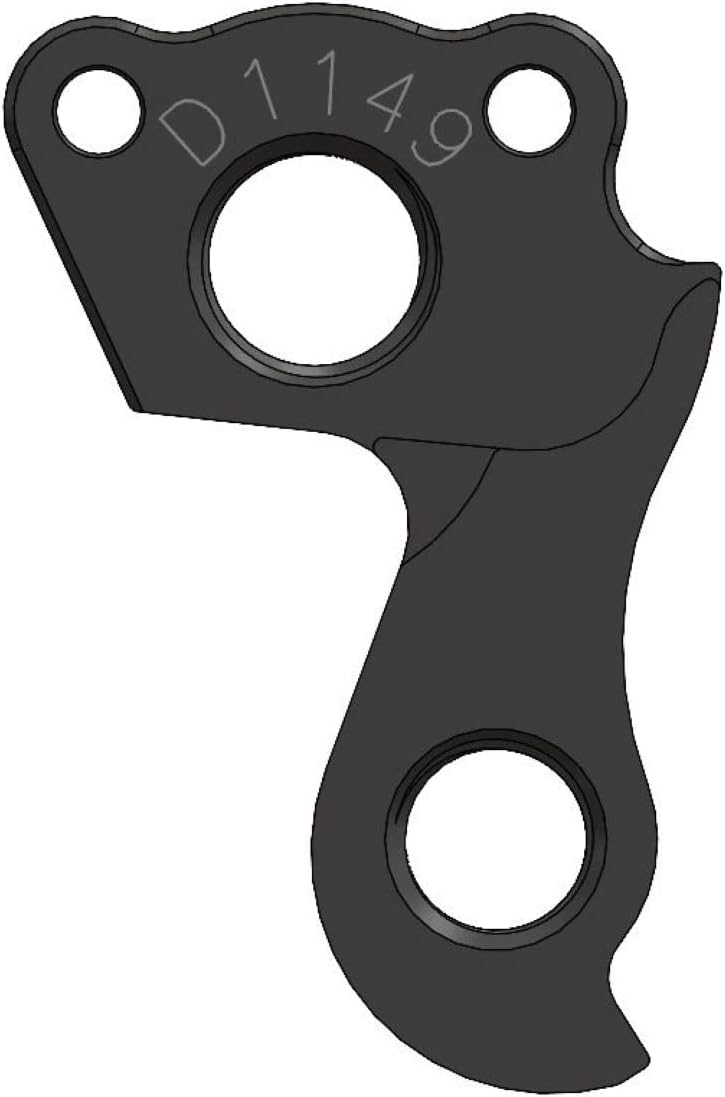
Derailleur Hangers


Correction of product information
If you notice any omissions or errors in the product information on this page, please use the correction request form below.
Correction Request Form